
Thyroid Surgery
Thyroid Surgery
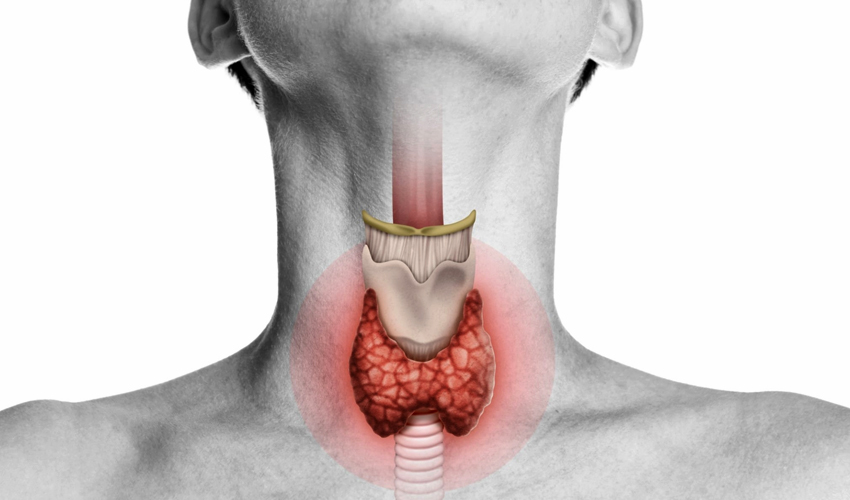
Thyroid surgery, also known as thyroidectomy, is a medical procedure performed to remove all or part of the thyroid gland. The thyroid gland is a butterfly-shaped organ located in the front of the neck, and it plays a crucial role in producing hormones that regulate metabolism. There are different reasons why a thyroidectomy might be necessary:
-
Thyroid Cancer: If a patient is diagnosed with thyroid cancer, surgery may be recommended to remove the cancerous tissue.
-
Hyperthyroidism: In cases of severe hyperthyroidism that does not respond to other treatments, removing all or part of the thyroid gland may be considered.
-
Large or Enlarged Thyroid (Goiter): If the thyroid gland is significantly enlarged or causing compression of nearby structures, surgery may be recommended.
-
Suspicious Thyroid Nodules: If nodules on the thyroid are suspicious for cancer, a thyroidectomy may be performed to remove the nodules for examination.
There are different types of thyroidectomy:
-
Total Thyroidectomy: Removal of the entire thyroid gland.
-
Subtotal or Partial Thyroidectomy: Removal of a part of the thyroid gland.
-
Thyroid Lobectomy: Removal of one lobe of the thyroid gland.
-
Minimally Invasive or Endoscopic Thyroidectomy: This approach uses smaller incisions and specialized instruments for a less invasive procedure.
The surgery is usually performed under general anesthesia. After the surgery, patients may need to take thyroid hormone replacement medications to ensure their body has the necessary thyroid hormones for proper function.
As with any surgical procedure, thyroid surgery carries some risks, including bleeding, infection, damage to surrounding structures (such as the parathyroid glands, which regulate calcium levels), and changes in voice due to damage to the recurrent laryngeal nerve. Recovery time can vary, but most people can resume their normal activities within a few weeks.
It's essential to discuss the specific details of the surgery, including potential risks and benefits, with your healthcare provider to make an informed decision based on your individual health condition.